



































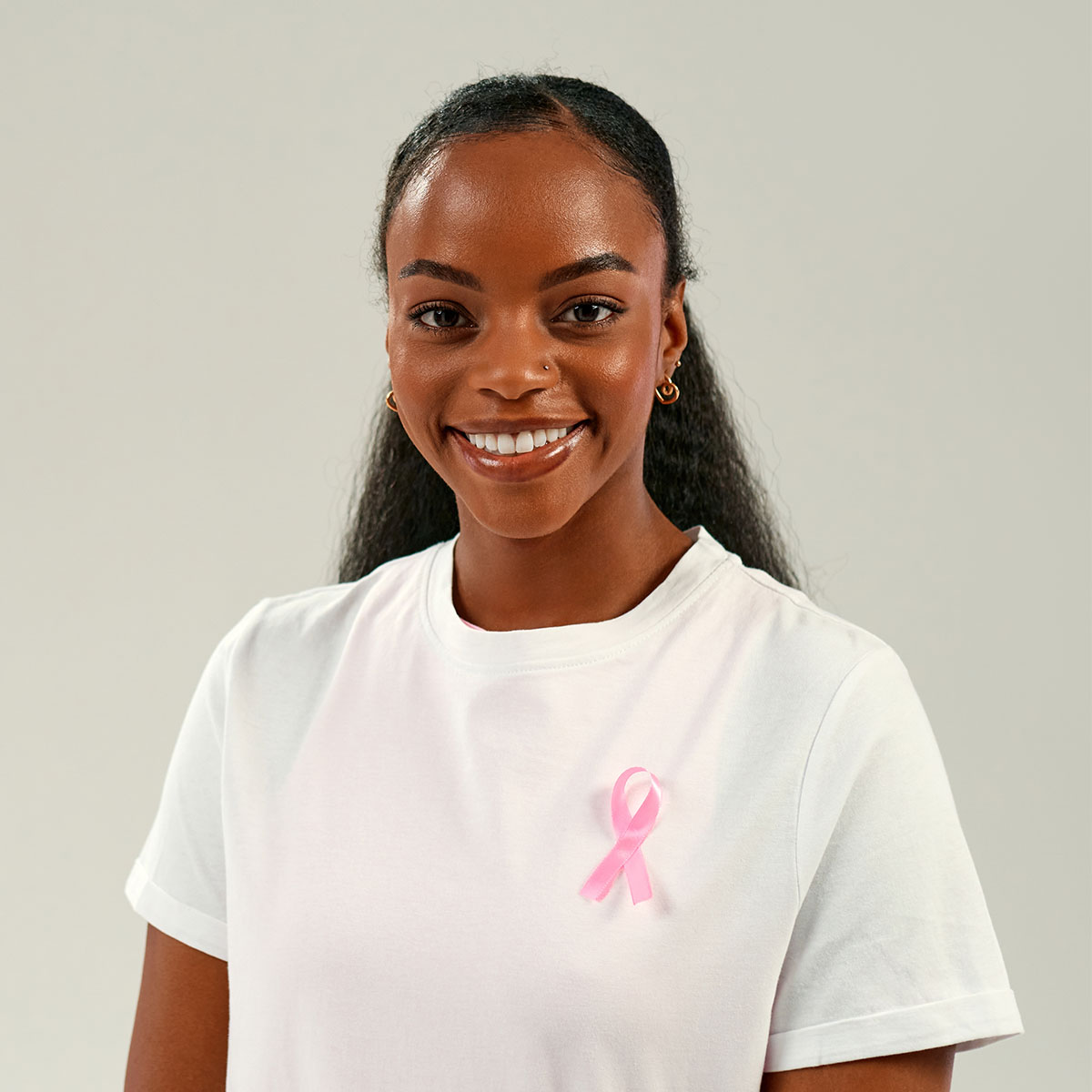
Cancer is one of those words that can silence a room.
Once it is mentioned, conversations slow down, voices drop, and people start choosing their words carefully. Sometimes too carefully. Over time, this caution has turned into assumptions, half-truths, and myths that quietly shape how we treat people living with cancer.
On World Cancer Day, it is worth talking about the things we often get wrong and why correcting them matters more than we think.
Cancer Is Not Always a Death Sentence
This is probably the biggest misconception.
Globally, medical data shows that more than 50 percent of cancers are treatable when detected early. Millions of people are living full, active lives after a cancer diagnosis thanks to early screening, improved treatment options, and better awareness.
Yet for many people, the word cancer still triggers immediate fear. This mindset can isolate patients emotionally and strip away hope at a time when encouragement and support matter most.
Not Everyone With Cancer Looks Sick
Cancer does not have one look.
Some people continue working, attending events, and living life in ways that appear normal. Others may look visibly unwell even on good days. Both experiences are valid.
Assuming someone is fine because they look okay, or assuming they are always struggling because they do not, places unnecessary pressure on people already dealing with enough.
Cancer Is Not Just an Older Person’s Problem
While cancer is more common as people age, it does not respect age limits.
Every year, millions of people under the age of 50 are diagnosed with cancer worldwide, including children and young adults. When symptoms are ignored because someone is considered “too young,” diagnoses can be delayed, sometimes with serious consequences.
Awareness saves lives. Assumptions cost them.
Treatment Is Not the Same for Everyone
Chemotherapy is not the only treatment option. Hair loss is not guaranteed. Hospital stays are not always constant.
Cancer treatment can include surgery, radiation therapy, medication, lifestyle changes, or a mix of these approaches. Some treatments are intense. Others are gradual. Some people respond quickly. Others need time.
Reducing cancer treatment to one dramatic storyline oversimplifies a deeply personal experience.
Support Is Not About Saying the Perfect Thing
Many people avoid conversations about cancer because they are afraid of saying the wrong thing.
But silence often hurts more than imperfect words.
You do not need motivational speeches or spiritual explanations. Sometimes, support looks like listening, checking in regularly, offering practical help, or simply showing up without expectations.
Cancer Does Not End When Treatment Ends
Survivorship comes with its own challenges.
Research shows that many cancer survivors experience long-term physical, emotional, or financial effects even after treatment ends. Life does not instantly return to what it was before, and that reality deserves understanding.
Why This Matters
Cancer affects more than the body. It touches families, friendships, careers, and mental health.
About one in five people will develop cancer in their lifetime, which means most of us will encounter it directly or through someone we love.
Getting the story right matters.
This World Cancer Day, the goal is not to say less, but to understand more. To replace assumptions with empathy. And to remember that behind every statistic is a human being trying to live, heal, and be seen.
That alone can make a difference.