



































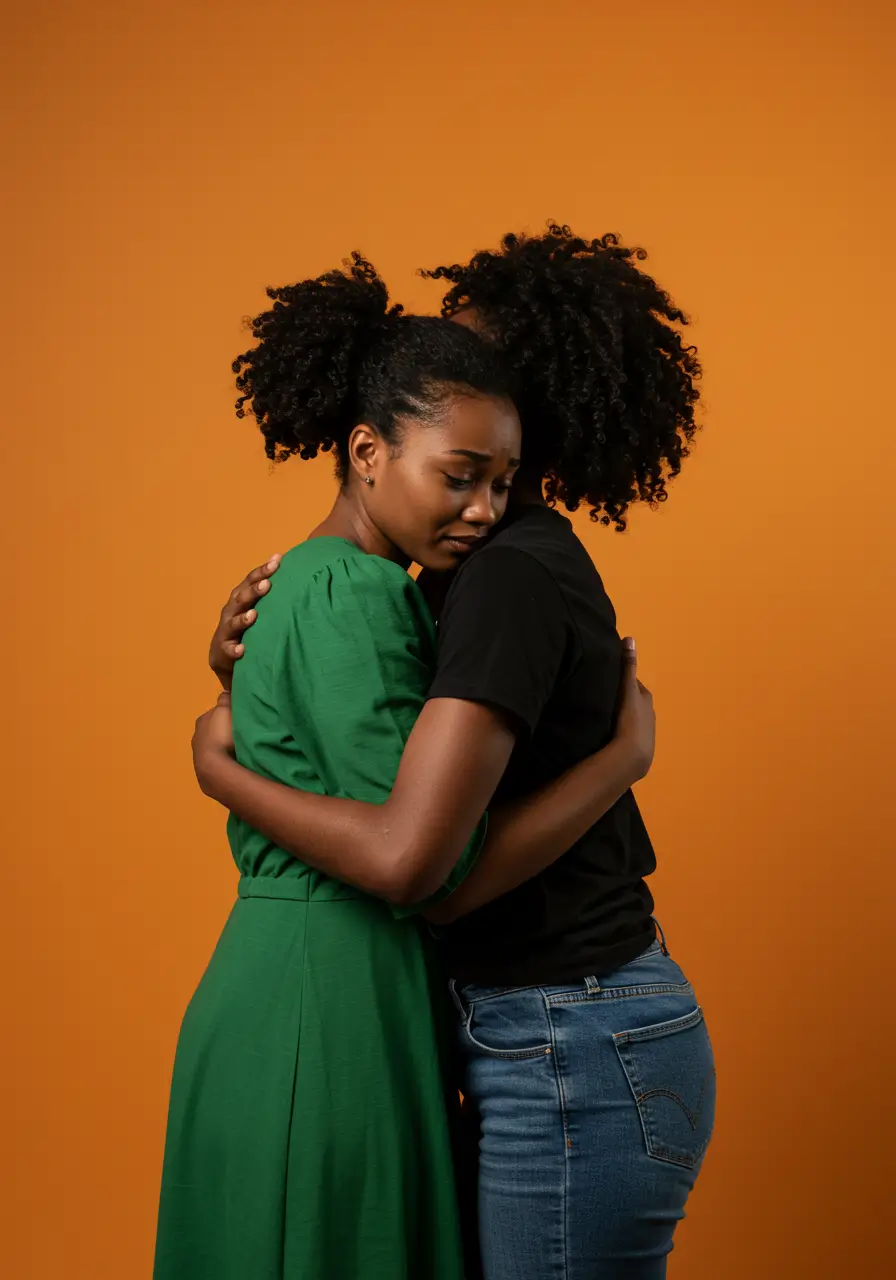
Not too long ago in Nigeria, words like depression, mental health, or suicide were barely spoken. If someone was deeply sad, the default response was, “Cheer up, you’ll be fine.” If they showed signs of a breakdown, families might chalk it up to “spiritual attacks.” And suicide? That was treated like a shameful secret, something not to be spoken about at all.
But times are changing. Slowly, but surely, Nigerians are beginning to talk about mental health and suicide openly. It’s no longer only whispered in private: it’s showing up on radio shows, church pulpits, X spaces, and even office wellness programs. And that’s exactly why World Suicide Prevention Day matters here.
Why this conversation is overdue
Nigeria is a country that prides itself on resilience. “We go survive” is practically a national motto. But resilience has a downside; it sometimes makes us downplay real struggles. Many Nigerians still believe you can “pray away” depression or “man up” through emotional pain. Meanwhile, the statistics tell a harsh story:
thousands of people die by suicide in Nigeria every year, and many more silently battle suicidal thoughts.
This is not just a Western problem. It’s ours too.
Why silence is dangerous
Silence around suicide doesn’t make it go away; it makes it worse. When people feel they can’t talk about their pain, they withdraw, and that isolation deepens the struggle. For years, stigma kept Nigerians from seeking therapy or even admitting they weren’t okay. But today, more people are willing to say: “I’m depressed.” “I need help.” “I’m not fine.”
That shift is an improvement, but we still have a long way to go.
What prevention looks like in Nigeria
Suicide prevention here isn’t about copying Western models word for word. It’s about building solutions:
Conversations in everyday language. We don’t all have to speak clinical English. Asking a friend, “How body? You dey alright for real?” can open a door.
Faith communities stepping in with balance. Churches and mosques are huge support systems here. Imagine if more of them combined prayer with referrals to professional mental health care.
Workplaces taking wellness seriously. Nigerian professionals are stressed: targets, traffic, bills, family demands. HR needs to think beyond team bonding to real mental health
offering hotlines and resources for those in crisis.
The myths we need to drop
“Suicide only happens to weak people.” Wrong. It happens to people who’ve been strong for too long.
“Asking someone if they’re suicidal will push them to do it.” Also wrong. Asking gives them permission to talk about what they’re already feeling.
“Nigerians don’t kill themselves like that.” Unfortunately, they do. We just don’t always talk about it.
If you’re the one struggling…
Your pain is valid, but it doesn’t have to be permanent. Please don’t carry it alone. Talk to a trusted friend, a counselor, or reach out to a helpline. Your life is worth more than the weight you’re carrying right now.
Final word
World Suicide Prevention Day is not about pity posts or hashtags. It’s about action. In Nigeria, that action starts with breaking silence, rejecting stigma, and choosing compassion over judgment.
We’ve gone from whispering about suicide to finally talking about it. Now, the next step is making sure those conversations lead to real support, real resources, and real hope.
Because in the end, talking about suicide doesn’t make it happen. Talking about it is how we stop it.