



































You’ve probably noticed it, especially in coastal regions like Lagos. In recent times, the rain has come harder and stayed longer, turning familiar streets into rivers and ordinary commutes into ordeals. Drains that used to manage the water load now overflow within hours. Bus stops you grew up with are now small lakes during peak precipitation.
This new normal is Climate Change. Climate change is no longer a distant concept discussed at global conferences or written in policy papers. It’s the flooded street outside your office, the contractor who couldn’t deliver because the warehouse was either submerged or the roads leading to the warehouse were inaccessible due to floods or erosion wash off, the commodities harvest from upcountry that came in lower than usual and pushed prices up at the market. It’s already here, and it’s costing us.
For our One customer, this matters more than it might first appear. Flooding disrupts logistics and damages inventory, eating into profit margins overnight. Unpredictable rainfall stresses agricultural supply chains, raising input costs for anyone who depends on raw materials grown in the ground. Businesses lose productive hours when staff can’t get to work or premises take on water. And further down the chain, your own customers feel it too; in late deliveries, in price increases, in service disruptions that strain relationships you’ve spent years building. Left unaddressed, this is lost revenue hiding in plain sight.
The good news is that none of this is unmanageable. It simply requires a shift in how you plan.
If your business sits in an area that floods regularly, know it and plan around it. Move critical stock to higher ground before the rains peak. If your key supplier is in a flood-prone area, identify a backup before you actually need one.
Cash flow sometimes is where climate risk quietly hurts most. Start by setting aside a fixed percentage of monthly revenue; could be 5% into a separate business account you don’t touch outside of disruptions. Collect outstanding payments before the rains peak, not after. If a flood or supply shock hits harder than your buffer can absorb, a working capital facility or revolving credit line means you’re not starting from zero while you recover. That conversation is one we’re always ready to have.
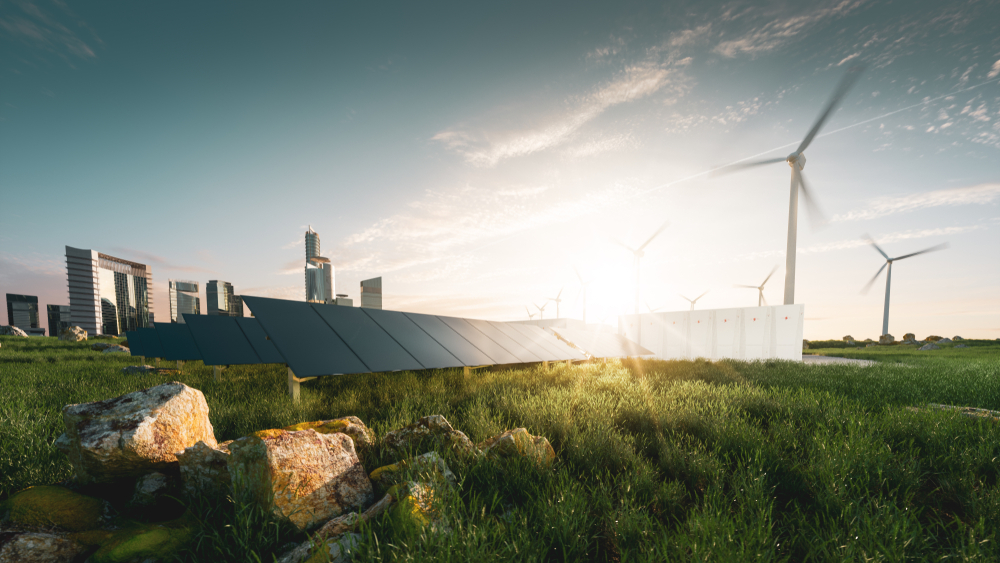
On energy, if your generator is your primary power source, you already know what it costs to run through a long dry season. Solar is increasingly the cheaper option over time for Nigerian businesses, and it removes one major variable from your monthly costs. It is worth running the numbers.
These aren’t grand gestures. They are small, deliberate decisions that compound over time and the businesses making them now are the ones that will still be standing when the next rainy season hits harder than the last.
These recommendations aren’t meant to be abstract because they are the reason Sterling has built an entire suite of financing solutions around exactly your climate needs.
Through our HEART strategy; Health, Education, Agriculture, Renewable Energy, and Transport we finance the sectors most exposed to climate risk and most essential to building business resilience for Climate. In Agriculture, our financing loan product, SWAYAGFIN supports youths and female farmers adopting climate-resilient practices, helping them manage the very unpredictability we’ve described. In Renewable Energy, we financed over 12 billion naira in installed renewable capacity in 2025 alone, helping businesses insulate themselves from grid instability and rising energy costs. In Transportation, we backed Nigeria’s first publicly available
EV charging station, supporting the shift toward cleaner, more sustainable mobility. And across Health and Education, we continue to support the institutions that absorb the human cost of climate disruption when communities need them most.
This is the heart of why we exist. Climate resilience isn’t a side conversation for us; it’s a core part of how we bank. If your business is feeling the weight of an unpredictable climate, in your supply chain, your operations, or your bottom line, we want to be the financial partner helping you plan for what’s ahead.
The rain will keep falling differently than it used to. How we prepare for it is what will set resilient businesses apart.
Author: Adaora Ikegwuonu, Environment and Social Risk Management