

When we hear that a heatwave is coming, our first thoughts are usually cold water, fans working overtime, lighter clothes and finding somewhere with shade.
Pneumonia probably isn’t one of them. After all, isn’t that something people catch when the weather gets cold? Well, not necessarily.
Pneumonia is an infection that causes inflammation in the lungs and is usually caused by bacteria or viruses. It can affect anyone, regardless of the season. While hot weather does not directly cause pneumonia, the environmental conditions that often accompany extreme heat can create additional challenges for respiratory health.
The Heat and Air Quality Connection
As Nigeria moves further into the dry season, rising temperatures are becoming an increasing concern. In an October 2026 advisory, the Nigerian Meteorological Agency warned of hotter days, increased heat discomfort, dust and other dry-season conditions.
Extreme heat can lead to dehydration, heat exhaustion and heatstroke. It can also worsen existing health conditions. But beyond the temperature itself, air quality is another important part of the conversation.
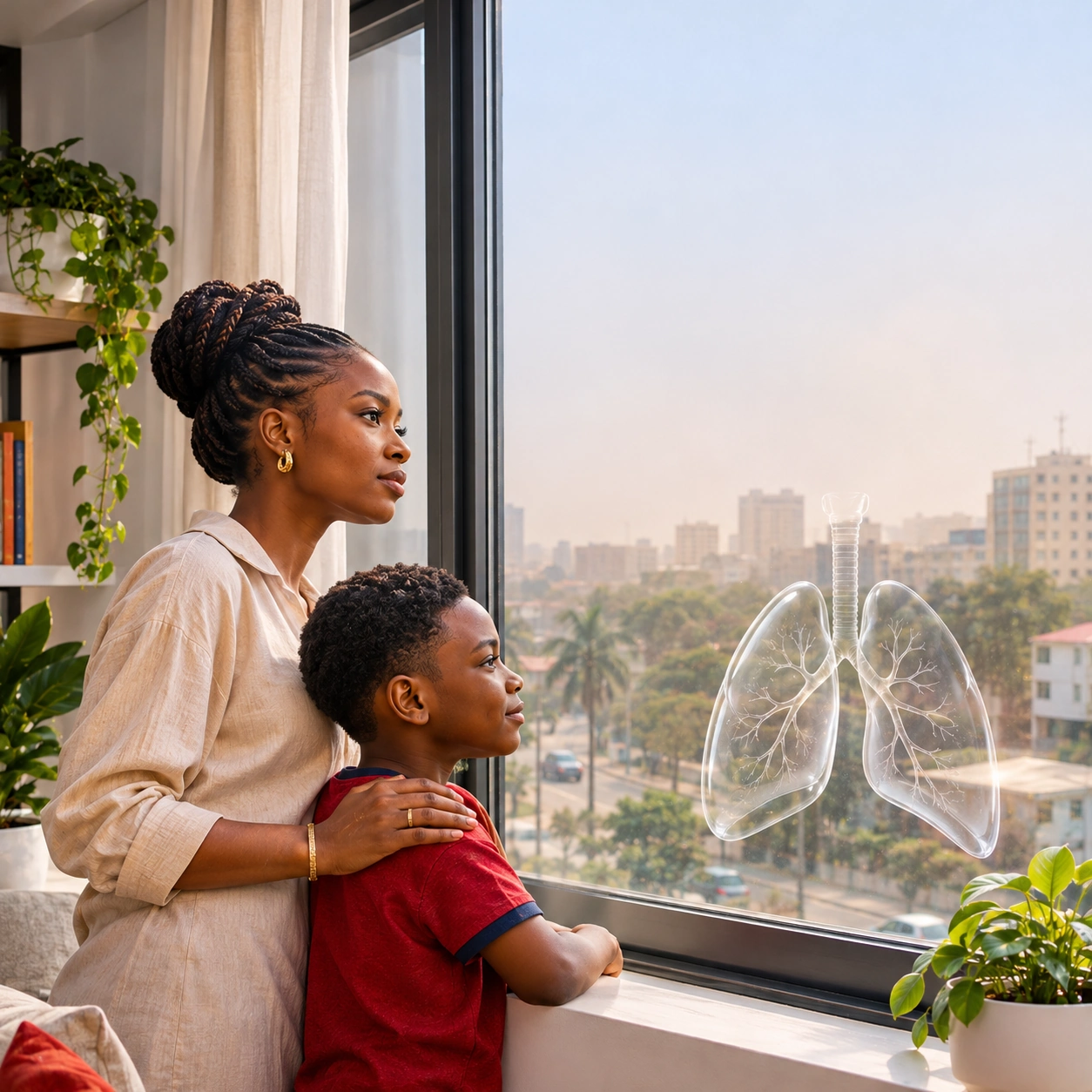
Dust, vehicle emissions, smoke from burning waste and other airborne pollutants can irritate the respiratory system and aggravate existing breathing problems. Exposure to poor air quality is particularly concerning for children, whose lungs are still developing.
According to UNICEF, pneumonia claims the lives of more than 700,000 children under five globally every year. The organisation also estimates that around half of childhood pneumonia deaths are associated with air pollution.
These figures highlight why respiratory health deserves more attention, particularly in environments where exposure to dust, smoke and other pollutants is part of everyday life.
Pneumonia Is Still a Major Concern in Nigeria
Pneumonia is already a significant public health concern in Nigeria. WHO data for 2023 identifies lower respiratory infections as the leading cause of death among both men and women in the country. This category includes infections such as pneumonia.
Although anyone can develop the infection, children under five, older adults and people with underlying health conditions are particularly vulnerable to severe illness.
What Can We Do to Protect Our Lungs?
Start by paying attention to your immediate environment. Where possible, reduce exposure to dust and smoke, avoid burning refuse and keep indoor spaces properly ventilated.
Parents should also ensure that their children receive recommended vaccinations, including the pneumococcal vaccine, which helps protect against some of the bacteria responsible for pneumonia.
It is equally important to recognise the warning signs. Persistent cough, fever, chest pain and difficulty breathing should not be dismissed or treated through self-medication. Seek medical attention promptly, especially when a child or vulnerable person is affected.
Observed every November 12, World Pneumonia Day draws attention to a disease that remains a major global health challenge, despite being both preventable and treatable.
As conversations around rising temperatures and extreme weather become more common, respiratory health should also be part of the discussion. The relationship between heat, air quality and existing health conditions is a reminder that our environment plays an important role in our overall wellbeing.
We may not be able to control the temperature outside, but we can make more informed choices about our surroundings, take respiratory symptoms seriously and support efforts towards cleaner air and better access to healthcare.
Protecting our lungs starts with paying attention to the air we breathe.